


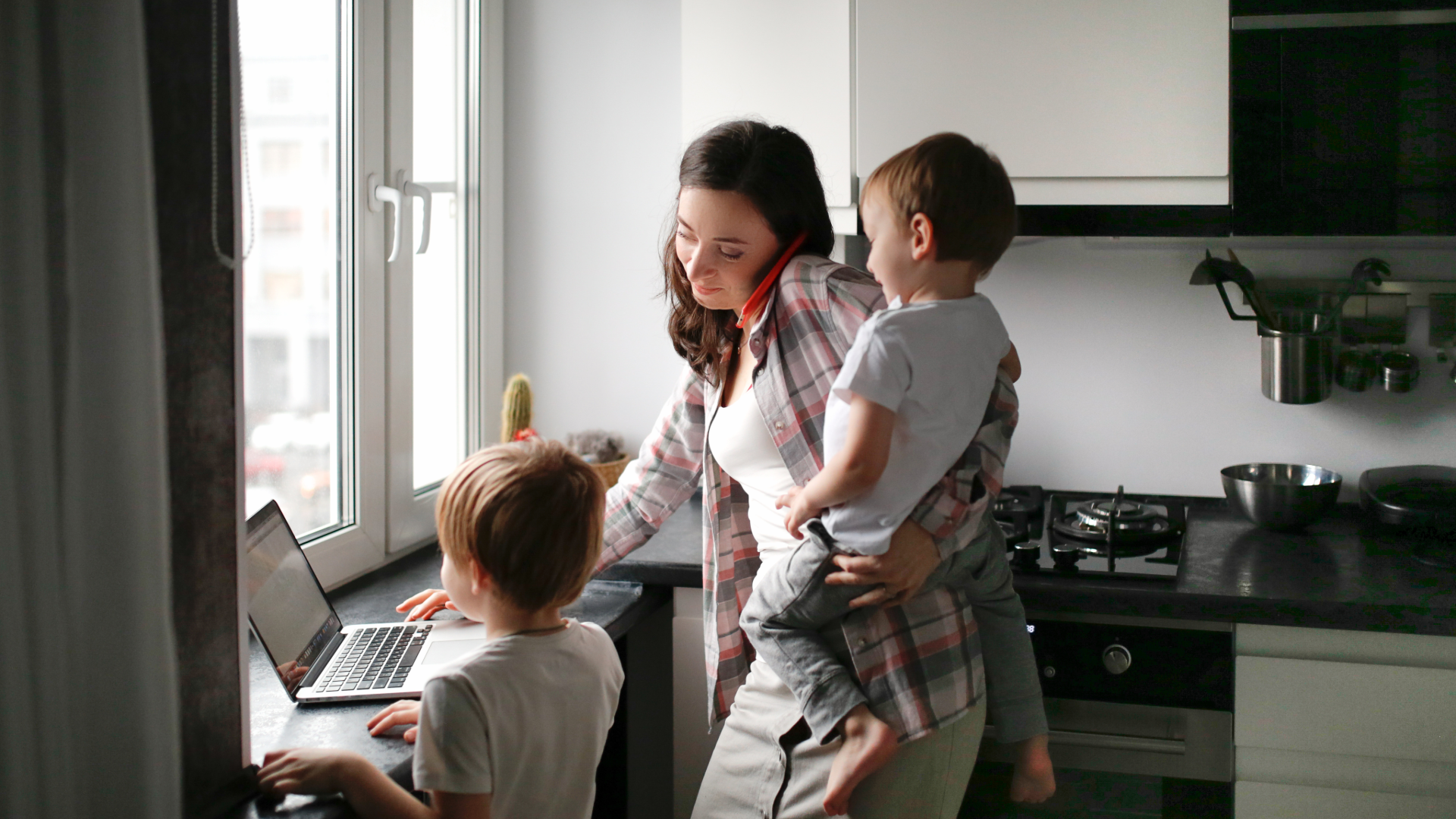
Manufacturing and motherhood stereotypically don’t mix. One is often seen as fast-paced, high-pressure, and physically demanding. The other is associated with caregiving, busy schedules, and constant multitasking.
But in reality, they’re not that different.
The constant crunch and intensity of a manufacturing line with tight deadlines, high volume, and little room for error, isn’t far off from a mom caring for multiple children, keeping a home running, and getting everyone where they need to be on time. Both require organization, adaptability, and the ability to juggle a lot at once.
So, why then does society assume moms aren’t equipped or skilled to work and succeed in manufacturing careers? This line of thinking is outdated and historically inaccurate. Women were essential to industrial manufacturing during World War II. They’ve been part of this industry since the beginning.
It’s time to break down a few of the most common myths that still exist today.
“Manufacturing Jobs aren’t for moms.”
If manufacturing “isn’t for moms,” then why are so many already thriving in it? The problem isn’t fit or skillset, it’s perception. They are more than qualified. The same skills that keep a household running, such as time management and adaptability, translate directly to the manufacturing floor. According to the US Bureau of Labor women account for one-third of the U.S. manufacturing workforce. Once you start looking, you’ll find working moms everywhere in manufacturing: on the floor, in offices, and in leadership roles.
“They are less committed employees.”
“Less committed” is often code for “has responsibilities outside of work.” But having a life outside of work doesn’t make someone less valuable. Motherhood can sharpen commitment. Moms are used to managing priorities, solving problems, and making good use of their time.
Someone who has responsibilities and a family to provide for has more reasons to show up day after day and seek career advancement. Manufacturing offers steady pay, great benefits, and various long-term opportunities that make it an attractive and logical career path. According to an IWPR Women in Manufacturing Survey, 68.2% of women said that good benefits, like healthcare, are very important. Commitment doesn’t look one specific way and working moms prove that every day.
“Flexibility isn’t possible in this industry”
Sure, not every role is flexible, but that doesn’t mean it’s non-existent. It might mean trading shifts, working four 10-hour days, or moving into a planning or administrative role. Mom’s may need to use sick days or PTO when kids are ill, however, they aren’t always the only parent at home. In many households, they share that responsibility.
“Physical demands make it unrealistic”
Yes, some roles are physical, but many aren’t. Manufacturing is as much about precision, technology, and problem-solving as it is about strength. Automation, robotics, and ergonomic tools have dramatically reduced physical strain across the industry. Besides, if you’ve ever seen a mom wrangling three young children at the grocery store, you know they can handle the pressure. The idea that moms can keep up just doesn’t hold up to scrutiny.
The idea that manufacturing and motherhood don’t mix is outdated and increasingly inaccurate. Working moms bring valuable skills, perspectives, and stability to an industry that needs all three. By challenging these assumptions, companies can open the door to a broader, more diverse talent pool. Then, working moms can see manufacturing for what it truly is: a viable, rewarding, and evolving career path.
It’s not about whether moms belong in manufacturing. They already do. The real question is whether the narrative, and the industry, will finally catch up.
Comments