



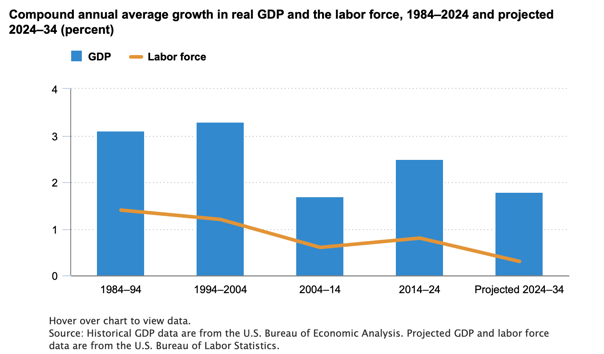
Labor force participation has been declining for years, and for many employers, the impact is becoming harder to ignore. As more people retire, balance caregiving responsibilities, or step away from traditional full-time work, companies across manufacturing, warehousing, and logistics are feeling the strain.
The work still needs to get done. Production demands haven’t slowed, but the available workforce has. That’s where industrial and contract staffing has evolved from a short-term fix into a more strategic solution.
At HTI, we see this shift every day as we partner with industrial employers across the Southeast. The most successful organizations aren’t waiting for labor participation rates to rebound – they’re adapting how they find, engage, and support talent.
Reaching Talent Beyond the Traditional Labor Pool
One of the biggest advantages of working with a staffing partner like HTI is access to talent that doesn’t always show up through traditional recruiting channels. Staffing partners actively connect employers with underutilized groups such as retirees seeking part-time work, veterans transitioning into civilian roles, and second-chance employees ready to reenter the workforce.
These candidates often bring reliability, experience, and strong work ethics, but they may need a different path into employment. By expanding where and how talent is sourced, staffing partners help employers tap into a broader labor pool instead of competing for the same limited candidates.
Flexibility That Works for Employers and Workers
Flexibility has become a deciding factor for many workers, and staffing partners are uniquely positioned to offer it. Temporary, part-time, seasonal, and temp-to-hire roles make it easier for people to participate in the workforce on terms that fit their lives.
For employers, this flexibility allows staffing levels to adjust with demand. For workers, it creates opportunities that might not exist in a rigid, full-time-only model. At HTI, we regularly see flexible placements lead to higher engagement – and often, long-term success on both sides.
Helping Close the Skills Gap
Declining labor participation doesn’t always mean a lack of interest. In many cases, it reflects a lack of access to training or hands-on experience.
Staffing partners help close that gap by providing safety training, equipment certifications, and role-specific skill development before candidates ever step onto the floor. By preparing workers up front, partners like HTI help employers reduce ramp-up time, improve safety, and maintain productivity even when experienced talent is hard to find.
Responding Quickly When Business Needs Change
Production spikes, seasonal demand, and unexpected disruptions can quickly strain internal hiring teams. Staffing partners maintain active talent pipelines, allowing employers to bring in qualified workers quickly when they’re needed most.
This ability to respond in real time helps keep operations running smoothly, even as labor participation trends continue to fluctuate. For many HTI clients, speed and consistency in staffing make the difference between meeting demand and falling behind.
Supporting Productivity and Preventing Burnout
Labor shortages don’t just affect open positions – they impact the employees already on the job. Chronic understaffing can lead to overtime fatigue, higher error rates, and increased turnover.
Temporary and contract staffing helps spread workloads more evenly, giving permanent teams the support they need to stay productive and engaged. By supplementing internal teams strategically, employers can protect morale while maintaining output.
A Strategic Partner in a Changing Labor Market
As labor force participation continues to shift, staffing partners play a critical role in helping businesses adapt. Beyond filling roles, partners like HTI work alongside employers to support workforce planning, compliance, and pay strategies – helping to build staffing models that are flexible, sustainable, and aligned with long-term goals.
Labor force participation may be changing, but growth doesn’t have to slow. With the right staffing partner, employers can build a workforce strategy that meets today’s challenges while preparing for what’s next.
In Part Two, we’ll take a closer look at specific, actionable strategies employers can use to navigate labor shortages and build a future-ready workforce with the support of a trusted staffing partner.
Comments